Signs Your Nervous System Needs a Reset

Common signs that your nervous system needs a reset include feeling stressed most of the time, having trouble falling or staying asleep, feeling tired even after a full night's rest, struggling to focus, becoming easily irritated, and carrying tension in your muscles.
While many people view these symptoms as a normal part of a busy lifestyle, they can be signs that your body is under more stress than it can comfortably manage.
Over time, ongoing stress may affect your energy levels, mood, sleep quality, and overall well-being, making it important to recognize these warning signs and take steps to support relaxation, recovery, and balance.
Key Takeaways
- Persistent stress, poor sleep, fatigue, irritability, and muscle tension can be signs that your nervous system needs a reset.
- A dysregulated nervous system may spend too much time in "fight-or-flight" mode and not enough time in "rest-and-digest" mode.
- Chronic stress can affect your sleep quality, energy levels, focus, mood, and overall well-being.
- Simple habits such as deep breathing, mindfulness, quality sleep, and time in nature can help support nervous system regulation.
- Relaxation-focused spa experiences can provide a calming environment that encourages rest, stress relief, and recovery.
- Prioritizing self-care and relaxation can help you feel more balanced, refreshed, and resilient.
What Does It Mean When Your Nervous System Is Dysregulated?
A
dysregulated nervous system occurs when your body spends too much time in "fight-or-flight" mode and has difficulty returning to a relaxed state. The
fight-or-flight response helps you react to stress, while the "rest-and-digest" response supports relaxation, recovery, and overall well-being.
These bumps are usually painless and commonly develop around delicate areas of the face, especially under the eyes, on the cheeks, forehead, and nose. Milia can affect both adults and children, and while some cases disappear naturally, others may persist without treatment.
8 Signs Your Nervous System Needs a Reset
When your nervous system is under prolonged stress, it often sends signals that something is out of balance. While these signs can vary from person to person, recognizing them early can help you take steps to support your well-being.
Below are some of the most common indicators that your nervous system may need more rest, recovery, and relaxation.
1. You Feel Constantly Stressed or On Edge
Occasional stress is a normal part of life. However, if you frequently feel tense, restless, or unable to relax, your nervous system may be spending too much time in a state of heightened alertness. You may find yourself constantly anticipating problems or feeling as though you need to stay "on" even during periods of rest.
2. You're Struggling to Fall or Stay Asleep
Stress and sleep are closely connected. When the body remains alert, it can become more difficult to fall asleep or stay asleep throughout the night. Some people find their minds racing at bedtime, while others wake frequently and struggle to return to sleep.
3. You Feel Exhausted Even After Resting
Feeling tired after a busy day is normal. However, persistent fatigue despite getting adequate sleep may be a sign that your body is working harder than it should to manage ongoing stress. Constant activation of the stress response can leave you feeling depleted over time.
4. You Have Difficulty Focusing or Concentrating
Periods of stress can affect attention, memory, and mental clarity. You may find it harder to stay focused on tasks, remember details, or complete activities that once felt manageable. This is sometimes described as feeling mentally foggy or distracted.
5. Small Problems Feel Overwhelming
When stress levels remain elevated, the brain may become more reactive to everyday challenges. Situations that would normally feel manageable can seem disproportionately frustrating or overwhelming. You may notice yourself becoming stressed by minor inconveniences or routine responsibilities.
6. You Experience Frequent Muscle Tension or Headaches
The body often holds stress physically. Tight shoulders, jaw clenching, neck discomfort, and tension headaches are common complaints among individuals experiencing ongoing stress. Muscle tension can develop gradually and may persist even when you are unaware that you are feeling stressed.
7. You Feel Emotionally Drained or Irritable
Emotional exhaustion can occur when the mind and body do not have sufficient opportunities to recover. You may notice increased irritability, impatience, low motivation, or a reduced ability to cope with everyday demands. Feeling emotionally depleted can be a sign that your nervous system needs more restorative support.
8. Your Body Never Feels Fully Relaxed
Some people describe this as feeling unable to "switch off." Even during leisure activities, they may feel restless, tense, or unable to settle into a comfortable state of relaxation. This ongoing sense of physical and mental activation may indicate that the body is struggling to shift into a restorative mode.
Why Ignoring These Signs Can Impact Your Health
Occasional stress is not inherently harmful. In fact, short-term stress can help people respond to challenges and adapt to changing situations. Problems can arise when stress becomes chronic, and the body has limited opportunities to recover.
Over time, persistent stress may contribute to sleep disturbances, low energy, difficulty concentrating, mood changes, and reduced overall well-being. Research has also shown that chronic stress can influence physical health by affecting the immune system, cardiovascular health, digestion, and other bodily functions.
Addressing signs of nervous system overload early can help support better sleep, improved resilience, and a greater sense of balance in daily life.
Simple Ways to Support Nervous System Regulation
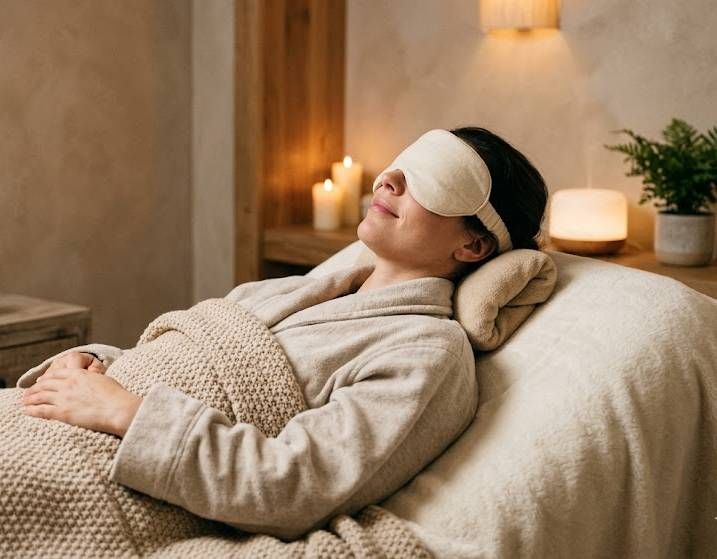
Supporting your nervous system does not always require major lifestyle changes. Small, consistent habits can help your body shift into a calmer state and improve its ability to manage everyday stress.
Here are several simple practices that can promote relaxation and support overall well-being.
Deep Breathing
Slow, controlled breathing can help encourage relaxation and support the body's natural recovery processes. Techniques such as diaphragmatic breathing and paced breathing may help reduce feelings of tension and promote a sense of calm.
Mindfulness Practices
Mindfulness involves paying attention to the present moment without judgment. Activities such as meditation, mindful walking, or simply focusing on your breath for a few minutes each day can help create moments of calm and reduce feelings of overwhelm.
Prioritizing Sleep
Sleep is one of the body's most important recovery tools. Establishing a consistent bedtime routine, limiting screen use before bed, and creating a comfortable sleep environment can support better rest and recovery.
Spending Time in Nature
Research suggests that spending time in natural environments may help reduce stress and support mental well-being. Whether it is a walk in a local park, time spent near water, or simply sitting outdoors, nature can provide a valuable opportunity to slow down and recharge.
Creating Moments of Sensory Relaxation
Calming sensory experiences can help signal to the body that it is safe to relax. Gentle music, soothing scents, warm compresses, comfortable textures, and quiet environments can all contribute to a greater sense of ease and comfort.
How Spa Experiences Can Help Calm the Nervous System
Taking intentional time to rest and unwind can help counter the effects of daily stress. Spa experiences are designed to create a calming environment that encourages relaxation through soothing treatments, sensory elements, and dedicated self-care. While not a substitute for medical care, these experiences can support stress relief and help you feel more refreshed, grounded, and restored.
Therapeutic Touch and Relaxation
Many spa treatments incorporate therapeutic touch, which can
promote relaxation and help release physical tension. Setting aside dedicated time for self-care may also help create a mental break from daily stressors.
Sound Baths and Calming Frequencies
Sound baths use instruments such as singing bowls, chimes, or gongs to create immersive sound experiences. Many people find these sessions deeply relaxing and use them as an opportunity to disconnect from daily distractions and focus on rest.
Sensory Wellness Experiences
A thoughtfully designed spa environment often incorporates multiple sensory elements, including soothing sounds, calming aromas, soft lighting, and comfortable surroundings. Together, these features can create an atmosphere that encourages relaxation and comfort.
Self-Heating Eye Masks and Restorative Touches
Comfort-focused additions such as self-heating eye masks, warm towels, and
aromatherapy can enhance the relaxation experience. While these features are not medical treatments, they can help create a soothing environment that supports rest and stress relief.
Creating a Dedicated Space to Unwind
One of the most valuable aspects of a spa experience is the opportunity to step away from daily responsibilities and focus entirely on self-care. Setting aside uninterrupted time for relaxation can help support mental and physical recovery while encouraging a greater sense of well-being.
Frequently Asked Questions
How do I know if my nervous system needs a reset?
Common signs include feeling stressed most of the time, having difficulty sleeping, experiencing fatigue despite adequate rest, struggling to concentrate, feeling irritable, and carrying ongoing muscle tension. These symptoms may indicate that your body is having trouble recovering from stress.
What causes nervous system dysregulation?
Nervous system dysregulation is often linked to chronic stress, poor sleep, emotional strain, demanding schedules, illness, and constant exposure to stimulating environments. When stress becomes ongoing, the body may have difficulty returning to a relaxed state.
Can stress affect the nervous system?
Yes. While short-term stress is a normal part of life, chronic stress can keep the nervous system in a heightened state of alertness. Over time, this may affect sleep, mood, focus, energy levels, and overall well-being.
How can I calm my nervous system naturally?
Simple practices such as deep breathing, mindfulness, regular physical activity, quality sleep, spending time in nature, and creating moments of relaxation throughout the day can help support a calmer nervous system.
Can poor sleep be a sign of nervous system overload?
Yes. Difficulty falling asleep, staying asleep, or waking up feeling unrested can be associated with ongoing stress and nervous system dysregulation. Sleep and stress are closely connected, and each can affect the other.
Can spa treatments help reduce stress?
Spa treatments can support relaxation by providing a calming environment, therapeutic touch, and sensory experiences designed to help you unwind. While they are not a medical treatment, many people find that spa experiences help them feel more relaxed, refreshed, and better able to manage stress.
How often should I take time for relaxation and self-care?
There is no one-size-fits-all answer, but regular self-care and relaxation practices can help support overall well-being. Even small, consistent moments of rest throughout the week can make a meaningful difference in how you feel.
What are the benefits of a relaxing spa experience?
A relaxing spa experience can provide an opportunity to disconnect from daily stressors, reduce physical tension, and focus on self-care. Many people report feeling calmer, more refreshed, and better rested after taking time to unwind.
Give Your Mind and Body the Reset They Deserve
Your nervous system works hard every day, and recognizing the signs of stress overload is the first step toward restoring balance. By prioritizing rest, relaxation, and intentional self-care, you can support your overall well-being and create more opportunities to feel calm, focused, and refreshed.
If you're looking for a peaceful place to unwind, Tala Wellness Studio in Summerville offers wellness-focused spa experiences designed to help you slow down and reconnect with yourself. From soothing sensory touches to deeply relaxing treatments, our team is dedicated to creating an environment that supports rest and renewal.
Ready to recharge?
Book your wellness experience at
Tala Wellness Studio and give your mind and body the care they deserve.